
Characteristics of several different hot-dip galvanizing and zinc alloy coatings
21.06.2024
Mechanism of formation of hot galvanized plating
Hot-dip galvanizing is a metallurgical reaction process. Microscopically, the hot-dip galvanizing process is two dynamic equilibria: thermal equilibrium and zinc-iron exchange equilibrium. When the steel workpiece is immersed in molten zinc liquid of about 450℃, the workpiece at room temperature absorbs the heat of the zinc liquid and reaches above 200℃, the interaction between zinc and iron gradually becomes obvious, and zinc penetrates into the surface of the iron workpiece.
As the workpiece temperature gradually approaches the zinc liquid temperature, an alloy layer containing different zinc-iron ratios is formed on the surface of the workpiece to form a layered structure of the zinc plating layer, and different alloy layers in the plating layer show different growth rates over time. From a macroscopic perspective, the above process is manifested by the immersion of the workpiece in the zinc liquid, the zinc liquid level boiling, and when the zinc-iron reaction is gradually equilibrated, the zinc liquid level is gradually calmed down. The workpiece is proposed to be a zinc liquid level. When the temperature of the workpiece gradually decreases below 200℃, the zinc-iron reaction stops, the hot-dip galvanizing layer is formed, and the thickness is determined.
Hot Galvanized Plating Thickness Requirements
Factors affecting the thickness of the zinc coating are mainly: the metal composition of the matrix, the surface roughness of the steel, the silicon and phosphorus content and distribution status of the active elements in the steel, the internal stress of the steel, the geometric dimensions of the workpiece, the hot-dip galvanizing process.
Both the current international and Chinese hot-dip galvanizing standards divide sections according to the thickness of the steel, and the flat thickness of the zinc plating as well as the local thickness should reach the corresponding thickness to determine the anti-corrosion properties of the zinc plating. For workpieces with different thicknesses of steel, the time required to achieve thermal equilibrium and zinc-iron exchange equilibrium is different, and the thickness of the coating formed is also different. The average thickness of the coating in the standard is an industrial production experience value based on the above-mentioned galvanizing mechanism, and the local thickness is an experience value required to take into account the unevenness of the thickness distribution of the zinc coating and the requirements for the corrosion resistance of the coating.
Therefore, the ISO standard, the American ASTM standard, the Japanese JIS standard and the Chinese standard differ slightly in the thickness requirements of the zinc plating layer, which are similar.
Next, several different hot-dip galvanizing and coating characteristics are explained.
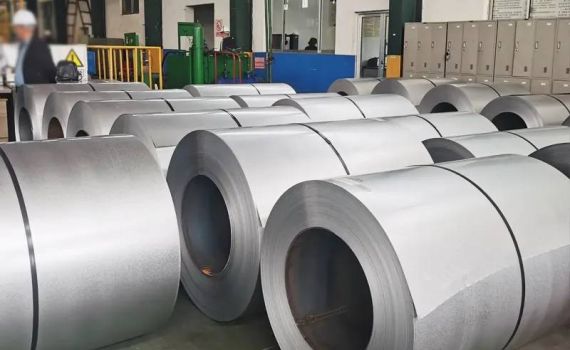
Hot-dip pure zinc coated steel plate (GI plate)
0.2% of the Al element is added to the zinc liquid used in the production of GI plates at present. The role of the addition of AI is to improve the fluidity of the zinc liquid, the aluminum and the iron element react preferentially to form an iron-aluminum alloy phase layer, inhibit the reaction of the zinc and the steel sheet matrix, thereby increasing the coating adhesion, and at the same time, the addition of a small amount of aluminum in the zinc liquid to form an oxide film of aluminum on the surface of the zinc liquid prevents the oxidation reaction of zinc on the surface of the zinc liquid and reduces zinc consumption. Whereas aluminum on the surface of the coating can first react with oxygen to form a protective film of alumina, preventing oxidation of the surface of the coating and increasing the surface brightness.
GI board is a typical example of using the cathodic protection mechanism of sacrificial anode (zinc) to protect the steel substrate from corrosion. Moreover, GI board is an ordinary, widely used coated steel plate and is widely used in various industries such as construction, home appliances, automobiles, transportation, and agriculture.
Address :
AZ1063, BAKU CITY, GARADAG DISTRICT, LOKBATAN, ABSHERON TRADE CENTER
Dianzi Industrial Park, Boxing County, Binzhou City, Shandong Province
Промышленный парк Дяньцзы, уезд Бойсин, город Биньчжоу, провинция Шаньдун
JINFUTAI
Always adhering to the business philosophy of shared resources, common development, win-win and mutually beneficial products, we can enjoy timely after-sales service while enabling customers to obtain satisfactory products.
Please fill out the form below and we will contact you as soon as possible.
Copyright © 2024 Shandong Jinfutai Steel Co., Ltd